


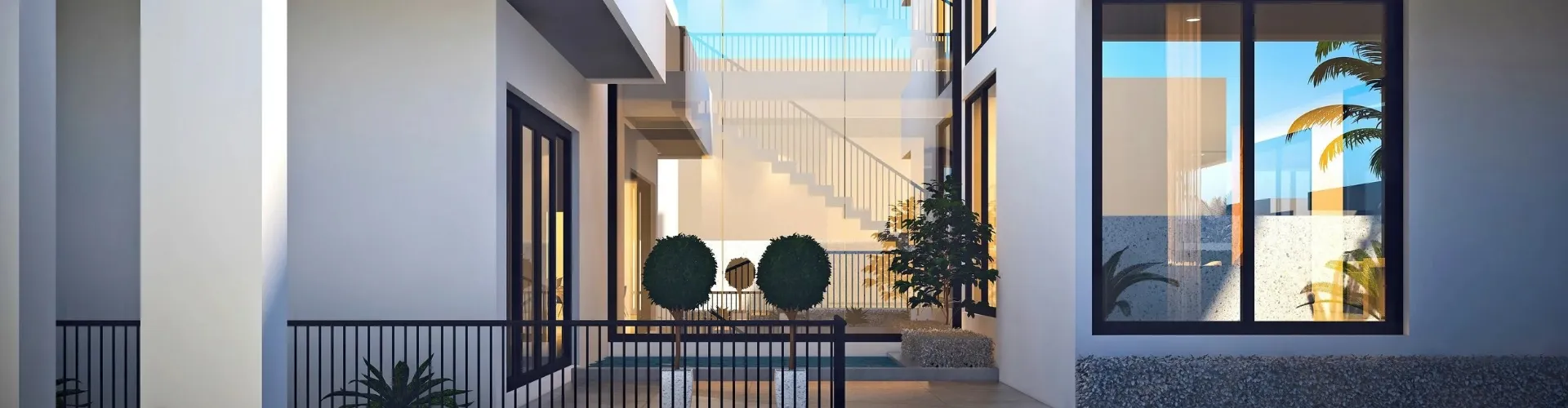
Safe and compliant engineering for your home
Looking for residential structural engineering services in Melbourne that can perfectly balance your home’s aesthetics with structural integrity? At Principal Built Engineering, we specialise in creating innovative engineering designs for residential projects across the city. Our chartered engineers deliver structural designs that improve your home, with every step staying compliant with Australian standards.
Whether you’re planning a new build, extension, or renovation, our engineers work closely with you to bring your vision to life within budget. Get in touch today to discuss your residential project with Melbourne’s trusted structural engineering consultants.
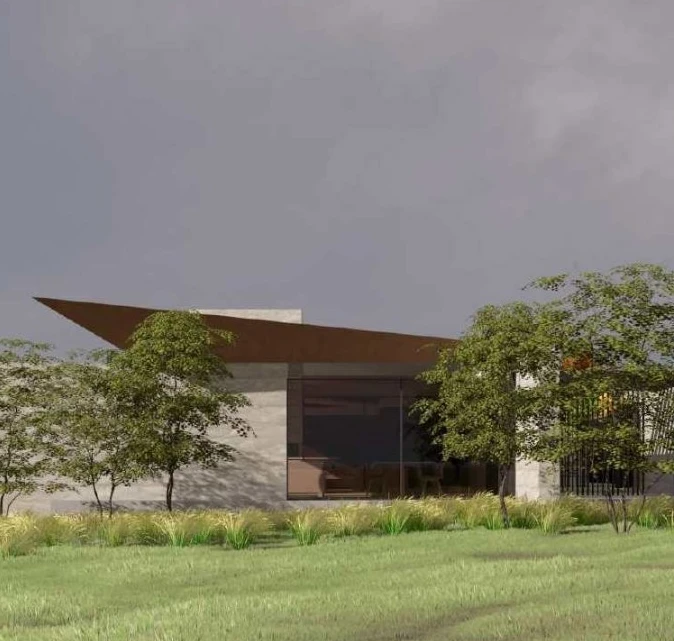

Residential Structural Engineering Services
Principal Built Engineering provides complete structural engineering design for new residential construction, including foundations, framing systems, and structural stability elements.
Designing structural modifications to expand or change an existing building's layout for residential extensions, second storey additions, and major alterations.
Principal Built Engineering delivers structural engineering design for dwellings that incorporate extensions and or basements.
Engineering of \residential structures using light-gauge, cold-formed steel (CFS).
Designing the structural framework for buildings with two or more levels, ensuring vertical load paths and lateral stability are sound.
Engineering walls meant to hold back soil and manage lateral earth pressure on sloping sites, preventing ground movement.
We provide detailed structural assessments for renovations to ensure existing structures can safely support proposed changes and comply with Australian Standards.
Our engineers design safe, durable, and compliant pergolas, decks, and outdoor structures tailored to your property and construction requirements.
We conduct thorough site inspections and provide clear, compliant condition reports to identify structural issues, verify integrity, and support approvals or construction decisions.
Principal Built Engineering provides engineering analysis and design for the removal of load-bearing walls in residential buildings.
Principal Built Engineering provides structural engineering design and assessment for modular and prefabricated structures.
We design efficient and structurally sound roof systems that optimise load distribution, durability, and compliance with relevant building codes and project specifications.
What Sets Our Residential Structural Engineers Apart in Melbourne?
Our residential structural engineers bring decades of combined industry experience to every project they work on.
Here are the benefits of partnering with us:
- Full Professional Indemnity Insurance
- Sustainable engineering designs built around each client’s needs.
- Chartered Professional Engineers
- Reliable delivery timeframes
- Competitive quotes
- Building permit support
- Collective approach with clients and stakeholders
- Long-term partnerships and collaborations
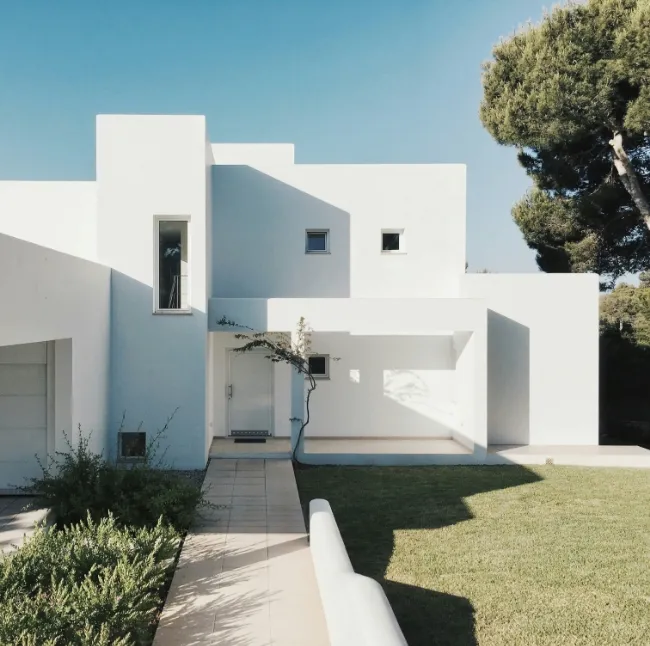

Ready to Start Your Residential Project?
Principal Built Engineering combines technical knowledge with genuine care for client outcomes, making us the preferred choice for residential structural engineering in Melbourne.
Call 03 8564 8597 or email info@pbengineering.com.au to discuss your project.

Frequently Asked Questions
In residential properties, load-bearing walls are the ones that support the weight of the structure above, whether that be the roof or a second floor. You can’t tell just by looking; walls running perpendicular to floor joists or supporting the roof are likely load-bearing.If you want to remove a load-bearing wall, then an alternative form of support, like a column or a beam, will need to be installed first. A structural engineer must assess this to prevent catastrophic ceiling or floor collapse.
Yes. In most Australian jurisdictions, any structural change requires a building permit. Proceeding without one risks heavy fines, insurance invalidation, and legal issues during property sales.
Besides load-bearing walls, there are many other types of walls that can have a big impact if they are removed or altered in a residential property. These include party walls (can carry loads and often act as a fire barrier between residences), shear walls (used in buildings to provide strength and resist lateral forces like wind), knee walls (short walls that support rafters or can create usable space under sloping roofs) and partition walls used to divide spaces.
Generally, walls over 1 metre (or 800mm in some councils) MUST be designed by a structural engineer. Engineering ensures the wall can withstand lateral earth pressure and prevents dangerous leaning or bulging.
At the beginning of your project, we will perform an assessment of your site environment, review soil conditions, any load-bearing requirements that might be present, and other important environmental factors. This allows our structural engineers to choose the best approach to creating your foundation.

Experienced engineering professional that enables creative architecture.

Custom and collaborative engineering designs tailored to client needs.

Detailed and practical drawings to support constructability.

Melbourne-based for responsiveness and flexibility.