




Cracks in Walls: When to Worry in Melbourne
Most wall cracks in Melbourne homes are cosmetic. A small proportion are structural. The difference between the two is not always obvious from a visual inspection alone, but there are reliable indicators that separate a crack requiring monitoring from one requiring urgent engineering review. This guide explains those indicators in plain language, with the specific Melbourne soil context that makes crack assessment here different from most other Australian cities.
What Causes Cracks in Walls in Melbourne?
Melbourne’s geology is the starting point. The city is built predominantly on reactive clay soils, specifically Kaolinite and Smectite clays. These clay minerals have a significant capacity to absorb and release water, expanding when wet and shrinking when dry. The movement this creates in the ground beneath a building is called soil heave (expansion) and soil settlement (shrinkage).
Under AS 2870 (Residential Slabs and Footings), Melbourne sites are classified from Class A (stable, non-reactive) through Class M, H1, H2, to Class E (extremely reactive). Class H2 and E sites can experience seasonal vertical ground movement of 40 to 75 millimetres or more. This movement, applied unevenly across a building’s footprint, is the primary cause of cracking in Melbourne homes.
The seasonal pattern: Melbourne’s wet winters cause clay to expand; dry summers cause it to shrink. Some cracking resulting from this cycle is normal and expected in period Melbourne homes built on reactive clay. The question is not whether there are cracks, but what the cracks are telling you about the magnitude and direction of the movement.
Other common causes of cracking include:
- Moisture changes caused by leaking pipes or blocked drainage directing water into the soil beneath the footings
- Tree root activity drawing moisture from the soil unevenly beneath a building
- Adjacent excavation for a neighbouring development, retaining wall, or service trench
- Normal thermal expansion and contraction of building materials, particularly in lightweight construction
- Settlement in new construction, which is normal for the first 1 to 2 years after completion
When Should I Be Worried About Cracks in My Walls?
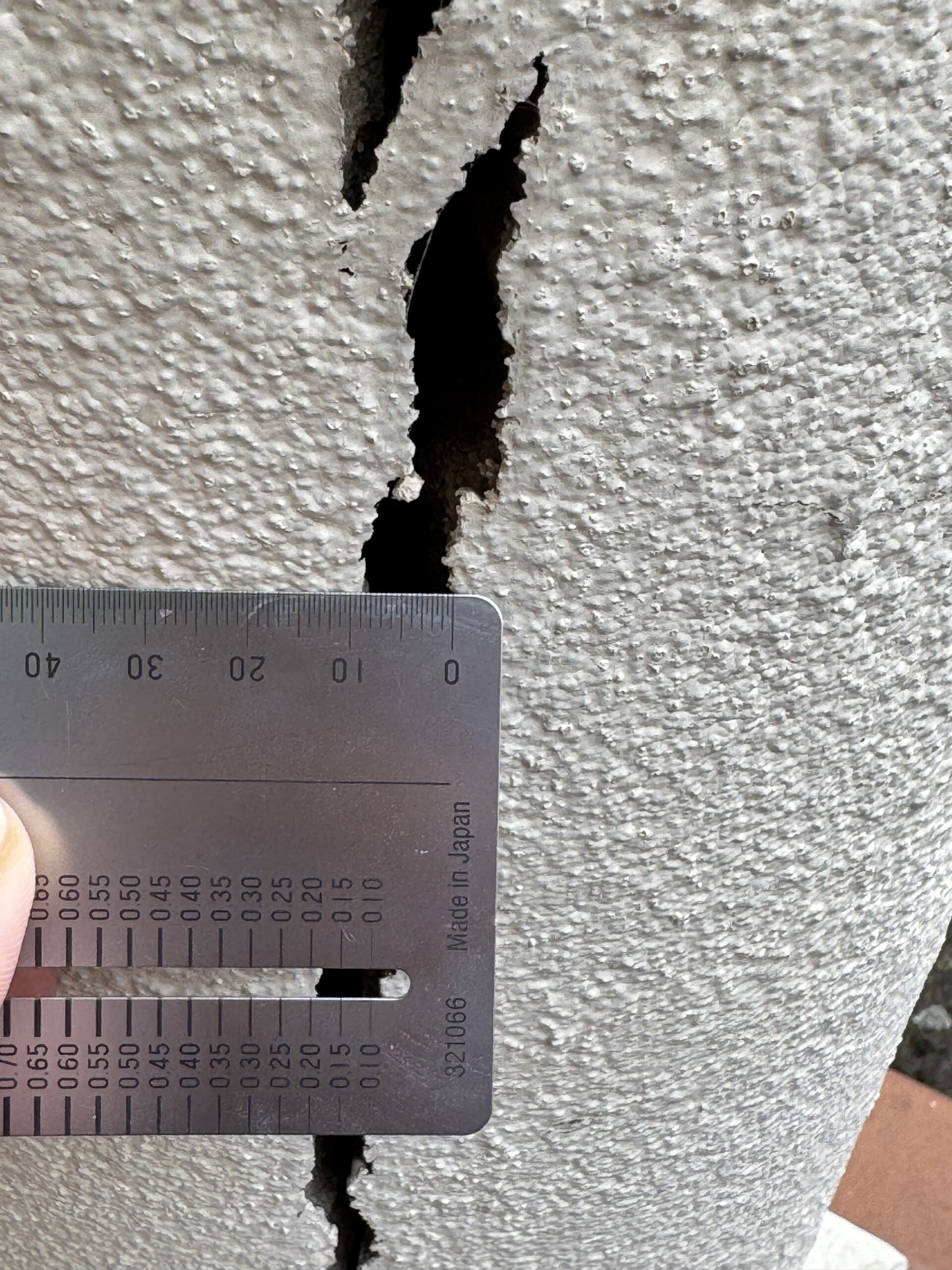
The CSIRO Damage Classification system provides a standardised framework for assessing wall crack severity. It is the most widely used reference for structural engineers assessing cracking in residential buildings across Australia.
| Category | Crack Width | What It Means |
|---|---|---|
| 0 | Under 0.1mm | Hairline. No action required. Very common in all homes. |
| 1 | Up to 1mm | Fine cracks. Cosmetic repair only. Common in older Melbourne homes. |
| 2 | Up to 5mm | Cosmetic repair recommended. May indicate minor foundation movement, but not a structural risk. |
| 3 | 5mm to 15mm | Engineering assessment required. Doors and windows may stick or not close properly. |
| 4 | 15mm to 25mm | Significant structural concern. Urgent engineering assessment and likely structural repair required. |
| 5 | Over 25mm | Immediate engineering review required. The structure may be unsafe. |
For Melbourne homes on reactive clay, Category 1 and 2 cracking is common and expected, particularly in brick veneer homes built between 1960 and 2000. Category 3 and above warrants professional assessment.
What Do Different Types of Wall Cracks Mean?
Crack direction, location, and pattern reveal the nature of the movement that caused them.
Hairline Plaster Cracks
Fine cracks in the plaster or render surface, particularly in ceilings or at internal wall junctions, are almost always cosmetic. They result from the differential thermal and moisture movement between the plaster layer and the structure behind it. In Melbourne’s climate, these are extremely common and require no structural investigation.
Vertical Cracks
Vertical cracks in masonry walls are generally caused by thermal expansion, differential settlement, or the natural movement at construction joints. A single clean vertical crack in the middle of a long brick wall often indicates normal movement. Vertical cracks at the corners of window or door openings can indicate differential foundation settlement if they extend beyond the immediate vicinity of the opening.
Diagonal Cracks (45 Degree)
Diagonal cracks running at approximately 45 degrees from the corners of windows and doors are one of the most reliable indicators of differential foundation movement. They form because the corners of openings are stress concentration points. A single fine diagonal crack may be old and stable. Multiple diagonal cracks that are widening are a clear signal for engineering assessment.
Horizontal Cracks
Horizontal cracks are the most serious crack type. Horizontal cracking in a retaining wall indicates that lateral pressure is exceeding the wall’s bending capacity. Horizontal cracking in a load-bearing brick wall can indicate buckling under vertical load or horizontal movement of the footing. This crack type should always be assessed by a structural engineer promptly.
Stair-Step Cracks
Stair-step cracks follow the mortar joints in a brick wall, creating a stepped pattern. They are caused by differential settlement where one section of the building moves relative to an adjacent section. In Melbourne, stair-step cracks are very common and often the result of tree root activity drawing moisture from beneath one part of the building’s footings. Whether they are significant depends on the width, rate of change, and which part of the building they are in.
Are Horizontal Cracks in Walls Dangerous?
Horizontal cracks in masonry walls are the most structurally significant crack type. In a brick veneer home, horizontal cracks in the outer brick skin are less structurally critical because the brick veneer is not load-bearing. However, they can indicate movement that may affect weatherproofing and the integrity of the brick tie connection to the timber frame behind.
Horizontal cracks in load-bearing masonry walls, concrete block walls, or retaining walls are a different matter. These cracks indicate that the wall is experiencing bending stress in the horizontal direction, which can result from:
- Lateral soil pressure on a retaining wall or basement wall
- Thermal expansion of a long unbroken masonry wall without adequate expansion joints
- Loss of lateral restraint at the top or base of the wall
If horizontal cracks are present in load-bearing walls, basement walls, or retaining walls, a structural engineer should assess the wall before any further work is done on or near the structure.
How Do I Know If a Wall Crack Is Structural?
These are the specific indicators that distinguish structural cracks from cosmetic cracks. If any of these apply, engage a structural engineer.
Seasonal Movement vs Progressive Movement: An Important Distinction
In Melbourne, some cracking in older homes is seasonal rather than progressive. The cracks open slightly in summer as the clay dries and the footings settle, then close partially in winter as the clay re-wets and the footings heave back. If cracks behave this way, returning roughly to their previous width each wet season, they are indicating seasonal movement. This is not ideal, but it does not represent progressive structural damage.
Progressive movement is different. Cracks that are consistently wider each year, or that grow rapidly after a triggering event such as a nearby excavation or tree removal, indicate that something has changed in the ground conditions. This type of movement requires assessment and, usually, some form of intervention.
A structural engineer can distinguish between the two by reviewing the history of the cracks, measuring current widths, checking whether floors are level, and assessing any recent changes to the site. A structural engineer report documents the findings and provides a basis for monitoring or remediation.
When to Call a Structural Engineer About Wall Cracks
The following situations warrant a prompt structural engineering assessment:
For all other cracking, including the very common Category 1 and 2 cracks in period Melbourne homes, monitoring over time and cosmetic repair is usually the appropriate response.
Frequently Asked Questions
When should I be worried about cracks in my walls?
Be concerned if a crack is wider than 3mm, is growing over time, is horizontal in any structural wall, or is accompanied by sticking doors, sloping floors, or multiple cracks appearing simultaneously. The CSIRO damage category scale provides a useful framework: Category 0 to 2 is cosmetic, Category 3 warrants engineering assessment, and Category 4 to 5 is urgent. Most cracks in Melbourne homes fall into Category 1 to 2 and are cosmetic records of normal seasonal movement.
What do different types of wall cracks mean?
Hairline plaster cracks are cosmetic and caused by normal thermal movement. Diagonal cracks at 45 degrees from window and door corners indicate differential foundation movement. Stair-step cracks in brick mortar joints are caused by differential settlement, often from tree root activity in Melbourne’s clay soils. Horizontal cracks in masonry are the most structurally significant and can indicate lateral pressure or loss of restraint. Vertical cracks are usually thermal or settlement-related and are less likely to be structural unless they are wide or growing.
Are horizontal cracks in walls dangerous?
Horizontal cracks in load-bearing masonry walls, concrete block walls, or retaining walls are the most structurally significant crack type and should always be assessed by a structural engineer. Horizontal cracks in brick veneer walls (where the brick is not load-bearing) are less critical structurally but may still indicate movement affecting weatherproofing and wall tie performance.
What causes cracks in walls in Melbourne?
The primary cause is Melbourne’s reactive Kaolinite and Smectite clay soils, which expand when wet and shrink when dry. This seasonal movement beneath a building’s footings causes differential settlement and heave, which appears as cracking in the walls above. Other causes include leaking pipes directing water into the soil beneath footings, tree root activity, adjacent excavation, and normal thermal expansion of building materials.
How do I know if a wall crack is structural?
Key indicators are: the crack is wider than 3mm, it is growing over time, it is horizontal in any structural wall, it is accompanied by sticking doors or windows or sloping floors, or it appeared after a nearby excavation or significant drought-then-rain event. If any of these indicators are present, a structural engineer should assess the building. A structural inspection will classify the damage against the CSIRO scale and provide clear written recommendations.
Concerned About Cracks in Your Melbourne Property?
A PBE structural engineer can assess your property, classify the damage against the CSIRO scale, and give you clear written recommendations on what, if anything, needs to be done.
Recent Blog Posts
- October 05, 2026
- September 21, 2026
- September 21, 2026
- September 21, 2026
- September 21, 2026


